Reflections of a 27 Year Law Enforcement Career: Enduring with our Integrity Intact

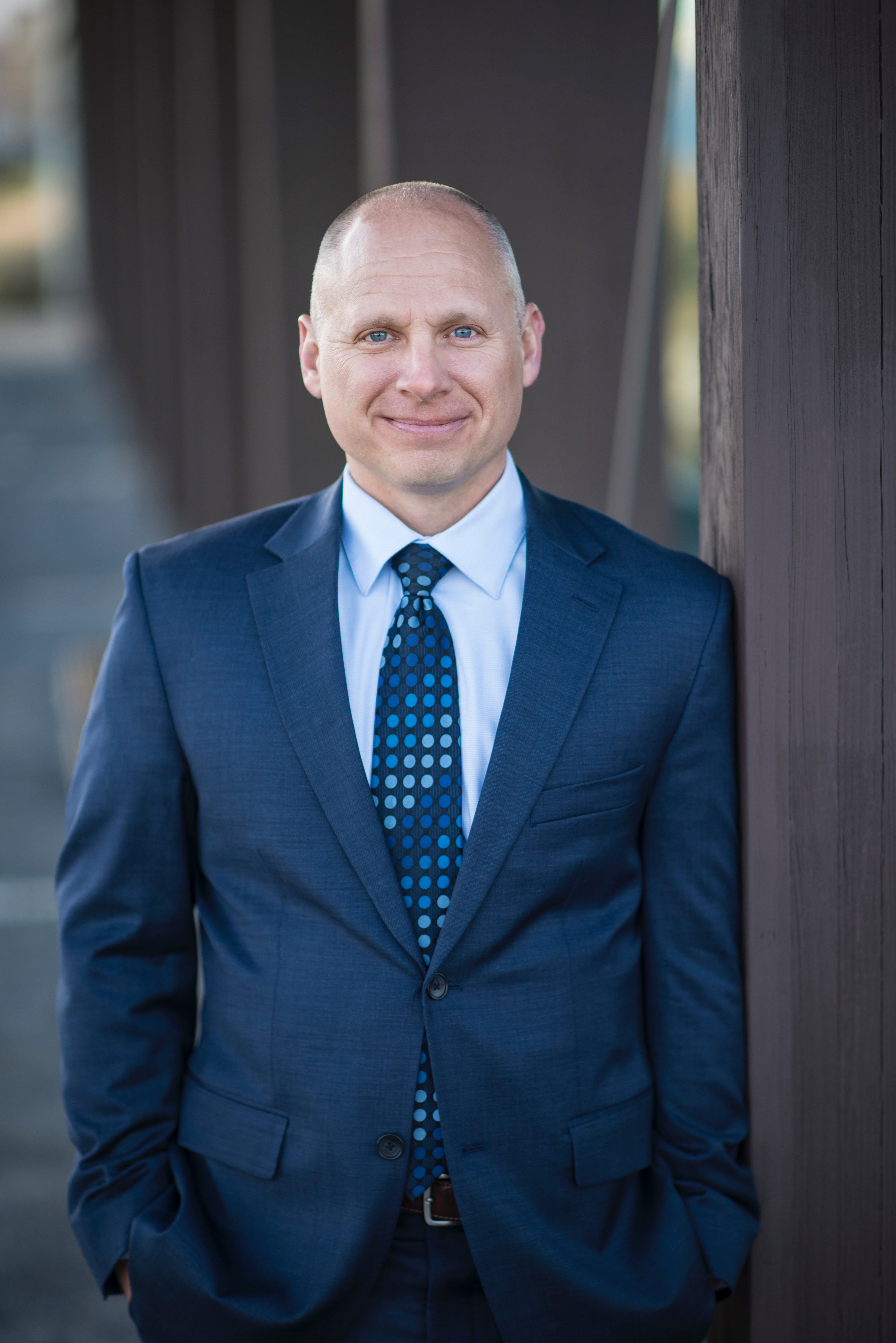
By Sgt. Joshua Browne (retired)
Disseminating Lessons Learned:
It has been a common practice for a law enforcement retiree to send the “final email” to impart advice, lessons learned and often, gratitude for the opportunity to operate in such a unique career. I have noticed several common themes outlined in these emails, with most embracing an optimistic tone. Still, I often contemplate the overall physical and mental health of each retiree, despite their assessment of their own career. While most retire with their integrity intact, and are generally positive regarding their career, some have allowed the career to exact a dramatic toll on their wellbeing and that of their family. While I have certainly not escaped all the negative consequences of the career, I remain happily married to my wife of 26 years, my four sons are doing well, and I am optimistic regarding future opportunities. While the Godfather of law enforcement emotional resilience, Dr. Kevin Gilmartin (2021), has already created a poignant resilience framework for officers and their families, I hope to add a small contribution to his work, echoing and further developing the resilience tenets he has imparted to law enforcement professionals. This article constitutes my “final email” to the broad law enforcement community, and it is my hope to offer meaningful input to the officer resilience knowledge base, and most importantly, verify the reality that it is possible to not only survive a long law enforcement career, but to thrive during and after the career concludes.
Leaders and Managers (Rank is Irrelevant):
You may be wondering why I would integrate commentary related to leadership and management within a piece of this nature, especially why I would address this topic first. While I wholeheartedly embrace Dr. Kevin Gilmartin’s (2021) assertion that a central tenet of emotional resilience is assuming responsibility for our own wellbeing, thereby ensuring our resilience is not dependent on the actions of someone with formal authority within our department, this does not negate the duty of those with formal authority to fulfill their stewardship to care for those assigned to them as organizational subordinates. We have all been subject to leaders and managers, with leaders altruistically caring for the comprehensive wellbeing of everyone, including peers, subordinates and superiors and managers pursuing the accumulation and maintenance of power at the expense of the best interests of others (Browne, 2017).
Psychologists and organizational culture leaders are keenly aware of the presence of a disproportionate number of psychopaths at the head of organizations, although they can be found at every level (Haidt, 2013). Even more disconcerting is the reality that one in fourteen individuals possess a dark triad personality, characterized by narcissism, psychopathy, and Machiavellianism (Brooks, 2026). While I am not suggesting that the law enforcement community directly reflects the psychological composite of the general population, I do believe these numbers suggest that this destructive combination is found in many individuals occupying positions of power within our institutions, including law enforcement organizations. While psychopaths and sociopaths share a lack of empathy for others (Haidt, 2013), psychopaths are characterized as cold and calculating, while sociopaths are predominately impulsive and emotionally reactive. While sociopaths represent the preponderance of the criminal population, psychopaths regulate their emotions and meticulously craft their activity, often resulting in a climb within the formal hierarchy of an organization. Because psychopaths crave power, they seek formal authority and subsequently abuse that authority as a mechanism to expand and maintain it (Greene, 2019). This phenomenon can be viewed within organizations in both the broad public and private sector, and the law enforcement realm is no exception. Leadership consultant Simon Sinek (2017) often discusses the difference between leaders and managers, noting that rank within a hierarchy does not denote leadership, as there are many individuals we obey because of their formal authority, but we do not trust them. While a manager will wield formal authority as their primary compliance tool, a leader earns the trust and respect of others. Dr. Jordan Peterson (2024) has described leaders as those who influence others by invitation, asking them to voluntarily sacrifice to achieve an aim greater than them, while tyrants (managers) wield compulsion as their primary influence mechanism.
Within his iconic book, “Emotional Survival for Law Enforcement,” Dr. Gilmartin (2021) proclaimed that “no one escapes the law enforcement career with their professional virginity intact. Everyone gets screwed at least once.” While this statement may seem pessimistic, accepting this reality while navigating the law enforcement career can significantly increase our overall resilience, as well as our career and life satisfaction. If we approach the inevitable disappointments, even the very personal and pointed attacks on our character, career and wellbeing, with a sense of learned optimism (Seligman, 2006), we can emerge on the other side as a more fortified, resilient and refined person (Dweck, 2007). Contained in Gilmartin’s (2021) iconic book, “Emotional Survival for Law Enforcement,” are several accounts of managers abusing their formal authority for personal gain, as they systematically wield their power to punish their perceived enemies. Throughout my 27-year career, I witnessed a version of every example included in his book, and you have likely observed the same reality.
All of us are required to prioritize our values in all aspects of our lives and doing so within the law enforcement career is no exception. While we have heard many with formal authority speak the language of servant leadership, sadly, many of them have already compromised the values they claim to endorse in exchange for power. We revere those who reject this path and instead choose to do and say what is correct in the moment, even at the expense of career advancement or other personal gain (Willink and Babin, 2024). Gilmartin (2021) remarks in his book that often those who have best survived emotionally do not secure flashy assignments or promotions, but they are “running a different race.” I encourage everyone to run a race that truly aligns with their values. At the conclusion of the career, living peacefully with our choices is a priceless gift that any career achievement cannot replace.
Remember, we are much more than our roles within the law enforcement organization. If you are privileged to be granted formal authority during your career, please remember your stewardship is to care for colleagues at all levels, but especially your subordinates (Willink and Babin, 2024). While many point to field actions and investigative success as their primary career achievements, my most cherished accomplishment includes unambiguously and explicitly defending the honor of my detectives in the presence of my entire chain of command, including the chief, even pointedly telling the chief that an apology was owed due to the despicable actions of the department towards us. Fortunately, the initial internal “investigation” concluded with the city attorney’s office refusing to support the department's attempts to fire all of us, or apply any discipline whatsoever. Notwithstanding this official ruling, the chief attempted to threaten and intimidate us with the possibility of an assignment transfer, telling us not to candidly share our thoughts regarding the actions of the department in our case, even after a disposition of “inquiry” with no official allegations of wrongdoing. Despite this action, I retired several years later, having never received any formal discipline within the course of my police career, not even a letter of reprimand. The city attorney liaison to the police department instructed the internal affairs staff to apologize and “beg for [our] forgiveness.” They did not, and the chief was furious when informed that I knew about the City Attorney’s statement regarding our case and that their insistence that they were the catalyst for halting the investigation was utterly false.
If given one thousand opportunities to relive that meeting with my entire chain of command, one thousand times, I would defend the honor of my detectives who had done nothing wrong. If you are granted guardianship over others in your organization, remember that your subordinates require your protection from toxic, politically motivated actions, especially when they are truly innocent of any wrongdoing (Willink, 2017). While it would take too long to chronicle the details of this despicable political action, I assure you that there is no “rest of the story.” The individuals who abused their authority had full knowledge of their fraud and dishonest accusations that were admittedly designed to maintain and accumulate power. They even attempted to target my Deputy Chief in their investigation. Unfortunately, similar stories persist in law enforcement organizations across the United States. If you are one with the ability to interrupt or prevent abuse of power towards others, have the courage to speak and act.
Leading Officer Resilience Supports a Healthy and Gritty Culture:
I began my career in 1999 with the baby boomer cohort occupying the preponderance of the senior and leadership positions within the San Diego Police Department. The legacy “suck it up and drive on” philosophy permeated both formal and informal organizational underpinnings with the expectation that we were to simply mask our emotions and reject the humanity that reacted to the toxic, dynamic and traumatic environment of the streets. In the decades that followed, the law enforcement community observed clashing cultural beliefs, as a new wave of officer-oriented support began to emerge in some law enforcement organizations. Still, there seemed to be an inaccurate dichotomy portrayed by some who feared the loss of the gritty warrior culture required to optimize officer safety and overall performance. Some characterized a bipolar reality and believed that we can either have a gritty warrior culture or focus on overall wellness, but not both (Browne, 2018).
In May 2018, I authored an article entitled, “How Leading Emotional Resilience in Law Enforcement Supports a Gritty Culture.” The comprehensive theme of this article was that we can have both, and I asserted that the act of leading resilience in law enforcement would explicitly refine, heal, and optimize police officer wellbeing and professional performance. While simultaneously supporting emotional, biological, and psychological health, we can preserve our gritty culture by reinforcing standards of conduct. Yes, an officer would still be required to operate effectively and courageously in toxic, dynamic and life-threatening circumstances, effectively “sucking it up and driving on” during the response phase, but also be provided with deliberate and comprehensive support throughout the law enforcement career, support designed to assist the officer with the development of a healthy framing of their experience within a growth paradigm (Dweck, 2007).
I shared the following in my previously referenced article:
“We cannot tolerate poor behavior by new or experienced officers. Conversely, we cannot expect exceptional performance and commitment, while failing to provide the training, tools and support our colleagues need to remain resilient. We do not send our special operations forces into combat, without first providing comprehensive training designed to build their physical and emotional resilience. Former Navy SEAL, [and current US House Representative Eli Crane], recently authored an article chronicling his experience in SERE (survival, evasion, resistance and escape) school, in preparation for combat deployment. This grueling course prepared him with the resilience tools he would need to survive a capture in a theater of war. In a similar way, we must assume our responsibility to integrate proper resilience training and behavior into our culture, as it is necessary to fortify our officers and agents against the tide of trauma incurred throughout a law enforcement career.”
While I was employed with the San Diego Police Department, we operated under the legacy cultural tenet prevalent in law enforcement organizations. While we certainly acknowledged the reality of the treacherous and demanding environment while operating as a police officer, officer wellness efforts primarily consisted of a necessary focus on officer safety, as we embraced the important “make sure you go home after your shift” mantra. While officer safety was paramount and should be maintained, personal wellbeing was not expressly pursued as a cultural belief. A few years after I left the department to move my family to another state and begin service with another police agency, San Diego Police Department leadership acknowledged a proliferating series of tragic events involving the on-duty deaths of officers, other officers embracing unhealthy coping mechanisms, with several committing serious criminal offenses and even more heart-wrenching, officers taking their own life. The department courageously admitted that the status quo would no longer be sufficient and decided to enact radical change. The department formulated and instituted a police wellness unit that would consolidate all currently available resources, while adding other necessary support mechanisms. Most importantly, dedicated officers were assigned to serve as case managers and mentors, ensuring the participating officer's unique needs were met. The unit successfully maintained full confidentiality and even the chief was not notified of any poor behavior admitted by participating officers, other than in instances mandated by law (PERF, 2018).
While my second department (West Valley City Police Department) in Salt Lake County, Utah, has made some progress in this realm by hiring a dedicated therapist for the department, therapy is often not the greatest need for officers and a dedicated culture of wellness that structures assistance in practical realms, such as case management, addiction recovery, financial counseling, parental and family support, and fitness support and accountability, is still lacking at WVPD, as well as in most departments across the nation. I have learned that many officers can be saved from their struggles with a dedicated focus on the combination of support and accountability, but the efforts must be deliberate, rather than passive. Developing and maintaining a gritty and operationally competent police apparatus requires support for officer resilience measures throughout a law enforcement career (PERF, 2018). While many police executives resist allocating resources solely to officer wellbeing measures based on monetary cost and personnel burdens, doing so is not only the moral path forward but also fiscally responsible, as several agencies, including the San Diego Police Department (PERF, 2018) and the Indianapolis Metropolitan Police Department, have experienced dramatic reductions in forced resignations and firings by committing dedicated resources focused on directly addressing the vices and obstacles in the lives of their officers. These reductions have resulted in the realization of significant fiscal savings via retention, substantially fewer internal affairs investigations, and dramatically fewer terminations. I have learned that we must deliberately address officer wellness by shifting organizational culture towards prioritizing deliberate measures that support officer wellbeing. I hope you will join the cause.
Autonomy Builds Personal Wellness:
Earlier, I referenced the following statement by Dr. Kevin Gilmartin (2021): “No one escapes a law enforcement career with their professional virginity intact. Everyone gets screwed at least once." Gilmartin (2021) emphasizes the acceptance of this reality as a mechanism to drive personal autonomous pursuits outside the law enforcement role because it is well known in the psychological literature that autonomy is the antidote to over-investment in the professional role (Peterson, 2021), a phenomenon that can lead to numerous undesirable outcomes for officers and their families. Once we accept the reality that self-serving and power-hungry individuals will utilize their formal authority to punish their perceived enemies (Greene, 2019), we can redirect our energy into realms we can control, primarily outside the organization’s reach but also in the areas in our professional lives we do control (Gilmartin, 2021). Throughout my career, especially during times when tyrannical actions were taken against me and my subordinates for power and political reasons, my autonomous pursuits acted as living water that replenished my soul. I knew the reach of the tyrants had limits and realizing meaningful achievements outside the career mitigated the frustration they inflicted. We can choose to assume responsibility for our lives and, even when subjected to professional tyranny, realize profound meaning, while simultaneously maintaining our integrity.
Learned Optimism and Post Traumatic Growth:
In the decades both preceding and simultaneous to portions of my law enforcement career, psychological research focused on abnormal psychology, essentially exploring disorders, while ignoring positive phenomena. Slowly, researchers such as Martin Seligman (Learned Optimism), Mihaly Csikszentmihalyi (Flow State), Barbara Fredrickson (Broaden and Build Theory), Carol Dweck (Fixed vs. Growth Mindset), Ed Diener (Subjective Wellbeing) and Christopher Peterson (Character Strengths and Virtues) developed concepts that not only have positive applications to the general populace but also specifically to law enforcement professionals. Richard Tedeschi and Lawrence Calhoun coined the term “post-traumatic growth,” a concept explored and broadened by subsequent research. While certain levels of pessimism or at least cynicism, are required to ensure operational officer safety, focusing solely on the negative aspects of people and our experiences in the field leads to destructive personal and familial outcomes for officers (Gilmartin, 2021). “Learned optimism, post-traumatic growth and anti-fragility” are concepts that confirm that it is possible and even likely that we will be able to maintain or develop optimism and experience personal development and growth, following a specific traumatic event (Haidt, 2024; Lukianoff and Haidt, 2019), and in the aftermath of the consolidated corrosive law enforcement career experience. I am confident I am a more resilient, refined, and wiser individual by focusing on the positive character traits I was fortunate to develop during the career and know you can realize a similar experience. In fact, much of the post-traumatic growth we realize continues to compound, even after retirement.
Hypervigilance and Fitness:
Hypervigilance is a necessary biological state that contributes to officer safety. If we expect to remain safe, we must stay alert. However, this heightened state of awareness and performance exacts a toll on the biological and emotional state of the officer. Anyone with even a few months of police experience understands the hyper-vigilant state, as well as the subsequent lethargic crash that follows a police shift, especially a tour in a prolific crime environment. For years, I knew that I was riding a wave of hypervigilance, followed by physical exhaustion, but no one had explained the phenomenon in its entirety. I did not understand that this reality was inevitable, nor was I armed with any strategies to combat it. Gilmartin (2021) has coined this phenomenon the “hypervigilance biological roller coaster” and he contends that hypervigilance is necessary to ensure the physical safety of officers but absent targeted interruption via cardiovascular exercise and proper sleep, the officer’s vacillating biological state wreaks havoc on his personal and family life. He also taught us that we can avoid the “cop body” characterized by belly fat accumulation and a loss of upper body muscle mass via the same cardiovascular exercise that will consume the unused cortisol created by adrenaline while in a hyper-vigilant state.
Resistance training will also lead to muscle development and the reversal of “cop body” development. In the comprehensive life quality and health span realm, Vo2 max and muscle mass are the primary drivers of optimized results, while additional longevity pillars include strength, stability and explosiveness, all factors that can be enhanced via focused training. It is also important to remember that a combination of cardiovascular and resistance training explicitly designed to address these pillars of longevity will also influence the comprehensive biological, emotional and psychological wellbeing (Attia, 2023) of the officer both in a professional and personal context. Developing and maintaining the exercise habit has been a pillar of resilience for me throughout my law enforcement career and has mitigated many of its corrosive and toxic effects. I want all of my law enforcement brothers and sisters to enjoy a long health and life span, while collecting the pension checks earned by the sacrifice of their duty.
Financial Planning and Prudence:
We are all aware of the burden financial pressure can apply to our lives. While money certainly is not everything, properly and responsibly managing it will allow us to avoid many of the emotional and physical stressors that can percolate within our lives, affecting our peace, health and overall wellbeing (Housel, 2020; Housel, 2025). Craft and execute a purposeful financial plan in your day-to-day life, as well as a long-term investment strategy. Many financial experts believe that while the investment strategy you choose is important, savings rate and time are the two most poignant elements leading to investment success (Housel, 2025). I know that everyone can become completely financially independent, and I can testify that the knowledge that you do not need to be beholden to anyone to maintain your lifestyle is an incredible emotional boost (Housel, 2025).
While responsible money management will not eradicate all life problems, it can be a powerful ally, as it provides the opportunity and freedom to solve problems and experience an autonomous and prosperous life (Housel, 2020, Housel, 2025). After a lengthy law enforcement career that is characterized by extensive policy and legal restrictions, financial independence can dramatically reduce stress, anxiety and most importantly, allow the officer to retire younger, with their health intact. While I realize that pay in many departments is less than optimal, and it may be necessary to work some overtime to provide for a family, we are all aware that many officers simply increase their spending as they accumulate more overtime hours, and unfortunately, often create a suffocating reality as officers continue to work significant overtime as a requirement to maintain their lifestyle. I am a proponent of pursuing a comfortable life, but doing so at the expense of present peace and snowballing debt is unequivocally not worth the sacrifice. Maybe we don’t need a $1,500 dollar truck payment and other consumer debt. When we choose to live within our means, we not only enjoy present peace but also confidence in an even more abundant future.
Gratitude Builds Contentment and Resilience:
Developing and cultivating gratitude and contentment will not only support financial prudence but also contribute to a host of other positive outcomes. Multiple studies, as well as our anecdotal experience, teach us that encouraging personal gratitude leads to elevated life satisfaction, depression and anxiety reduction, as well as autonomy. When we are grateful for our abundance, our desire to purchase homes, vehicles, toys and other publicly facing items beyond our means dissipates, and we can focus on utility, rather than status. Morgan Housel (2020; 2025) authored two books, one entitled, “The Art of Spending Money” and the other, “The Psychology of Money." These books explore the philosophical motivation behind our purchases and broad fiscal decisions. Housel (2025) provides an example that illustrates the competing beliefs of status and utility. If given the choice to purchase either a low-end BMW or a top-tier Toyota, status and utility will drive the decision. If we value utility, we will choose a Toyota that includes features that will provide comfort, while the decision to purchase the base BMW model is primarily driven by the desire to chase status. When we separate ourselves from the need to impress others with our possessions, we can unlock significant freedom and peace of mind and more importantly, base our financial decisions on our true desires, rather than the optics of status.
Pursuing Meaningful Professional and Personal Ventures:
Most of us choose a law enforcement career because we desire to provide meaningful contributions to society. We prioritize meaning over salary and volunteer to operate in corrosive and toxic environments that not only compromise our physical safety but our overall personal wellbeing. We determine that the career provides sufficient meaning to justify the sacrifice and, year after year, we answer the call of duty. While a law enforcement career can certainly provide profound meaning, it is equally important to resist the temptation to dedicate one hundred percent of our emotional energy to it (Gilmartin, 2021). We are all complex and unique individuals with dreams, aspirations and interests that extend beyond the career.
While navigating the law enforcement career, pursuing autonomous and meaningful ventures not controlled by the department will support the maintenance and development of our comprehensive self; the portion completely detached from the job. As an example, excelling in graduate school and operating as an adjunct professor provided development and meaning I could not obtain within the career. These ventures also strengthened my resolve to advocate for my law enforcement colleagues, both locally and across the globe. Whether it is a hobby or some other meaningful pursuit important to us, chasing these goals will fortify us against the negative consequences of a law enforcement career and provide an autonomous opportunity to explore personal development.
Strengthening Marriage and Family During a Career is Possible with Intentionality:
As law enforcement professionals, especially field operational personnel, we elect to pursue sacrifices that not only threaten our physical, emotional and psychological health but also the overall wellbeing of our spouse and children. Due to the inevitable influence of the career, intentionality is required to ensure we strengthen our families properly. Earlier, I referenced Dr. Kevin Gilmartin’s (2021) assertion that often the officers who best emotionally survive the career, do not obtain glamorous assignments or promotions, but they are “running a different race.” The great economist and political philosopher, Thomas Sowell (1996, 2007), is famous for explaining that there are no complete solutions, only tradeoffs. While he is not suggesting that we abandon the aim to pursue the best solution, he is acknowledging the reality that every choice is exclusionary in that we must decide what to prioritize.
A couple of years ago, I was on a hike with a friend in a nearby canyon. My friend, who has a background in both commercial and residential real estate, remarked that developers had been seeking approval to build homes in this canyon for some time, and he expressed his support for this venture. He is also an outdoor enthusiast who enjoys several activities requiring undeveloped land. I quoted Thomas Sowell (1996, 2007) and explained that he could not have both the untouched canyon and real estate development. He acknowledged this reality and stated he prioritized real estate development and while he would also support leaving the trails and some of the land untouched, he was willing to sacrifice some of the wilderness to provide homes. There is a tradeoff that requires considering the proper balance between these two competing priorities and the complex problems of our lives are no different.
Similarly, we cannot simultaneously deem our careers and families as equally paramount; we must sometimes prioritize one over the other. While I am not suggesting that law enforcement professionals avoid all sacrifices for the career, as this is an unrealistic expectation, I am asserting that our families are ultimately supreme in importance to our careers. By explicitly deciding to prioritize relationships with spouses and children, we will naturally make different choices than the officer who elects to elevate the career at the expense of the family. We all know the colleague who obtained rank, even as their family crumbled, leaving them utterly alone. In practice, this may mean limiting overtime and other collateral assignments that prevent us from being present with our family at important times. It may also mean electing to not assume a role that may inevitably elevate our careers. When our tour of duty concludes, we will be grateful that we ran our race and properly prioritized our families. Prioritizing family and other meaningful relationships over a professional career is a hallmark of life satisfaction, as demonstrated by the famous Harvard Longitudinal Study of Adult Development (Waldinger and Schultz, 2023).
Faith and Wellbeing:
I am not suggesting that in order to remain resilient, we must follow a specific faith or religious philosophy. However, I do assert that holding onto our religious convictions can be a profound catalyst for resilience during our professional careers. Even the well-known academics and political philosophers, Jonathan Haidt (2013) and Eric Weinstein, who both identify as atheists, assert that academic study demonstrates that faith traditions have significant positive effects on individuals and societies, as these dogmas provide a framework of ancient wisdom capable of directing our steps. When life is difficult professionally or personally, as it often is, utilizing our religious heuristics to guide our attitudes and choices can be a powerful resilience tool. My faith in God who created the universe, including all of us, guided my actions and provided me with stability while navigating my own career. Hold onto your convictions, as they will provide replenishment and clarity during the inevitable storms.
Profound Meaning can be Achieved Beyond the LE Career:
Many of us find profound meaning within our law enforcement career and some elect to extend their careers indefinitely. I am not you and am not in your situation, so I cannot possibly tell you exactly when to resign or retire. However, I can state that I am confident that all of us possess unique interests, talents, and skills that can be applied in innumerable capacities beyond our law enforcement careers. We all have dreams, those ventures that call out to us, the ones we know we must pursue to fully develop as a human. We may have identified some of these callings in our youth or perhaps, only recently and some of these endeavors may need to be reimagined and formulated into a framework that best fits our current situation (Beaudine, 2009).
Whatever praiseworthy venture calls you, answer the enticing. We have developed unique problem-solving, analytical and life wisdom earned from years in the trenches. We understand human nature, including evil and the profound good that transpires every day. While I am retired from an operational law enforcement career, I know there is more for me to do for the profession. While enjoying retirement, I will also continue to advocate for the wellbeing of the brothers and sisters I love, both the retired and the active-duty professionals. Please take care of yourselves, your families and your colleagues, and courageously do and say what is right, even at the expense of perceived personal benefit.
Sgt. Joshua Browne, M.P.S. is a retired police sergeant, adjunct professor within The George Washington University’s Master of Homeland Security Program, and founder of Heal the Badge Consulting. He authors articles and provides training courses in the realms of emotional resilience, leadership and altering organizational culture towards wellness. His efforts seek to realize the goal of fortifying law enforcement professionals, leaders and their families, by providing the necessary resilience and leadership tools for success within, outside and beyond a law enforcement career. He also utilizes his law enforcement and academic experience to lead individuals outside the first responder community, towards reconciling their traumatic experiences, personal development and realizing the meaning and growth embedded therein.
References
Attia, P. (2023). Outlive: The science and art of longevity. Harmony/Rodale/Convergent.
Beaudine, B. (2009). The power of who: You already know everyone you need to know. Center Street.
Brooks, A. C. (2026). The meaning of your life: Finding purpose in an age of emptiness. Portfolio.
Browne, J. (2017, May 22). Positive multidirectional leadership: Ascending, descending and horizontal emotional support. Heal the Badge Consulting. Retrieved July 22, 2026, from healthebadge.com
Browne, J. (2018, May 26). How leading emotional resilience in law enforcement supports a gritty culture. Heal the Badge Consulting. Retrieved July 23, 2026, from healthebadge.com
Dweck, C. S. (2007). Mindset: The new psychology of success. Random House Publishing Group.
Gilmartin, K. M. (2021). Emotional survival for law enforcement: A guide for officers and their families (rev. ed.). E-S Press.
Greene, R. (2019). The laws of human nature. Penguin.
Haidt, J. (2013). The righteous mind: Why good people are divided by politics and religion. Knopf Doubleday Publishing Group.
Haidt, J. (2024). The anxious generation: How the great rewiring of childhood is causing an epidemic of mental illness. Penguin.
Housel, M. (2020). The psychology of money: Timeless lessons on wealth, greed, and happiness. Harriman House Limited.
Housel, M. (2025). The art of spending money: Simple choices for a richer life. Penguin Group.
Lukianoff, G., & Haidt, J. (2019). The coddling of the American mind: How good intentions and bad ideas are setting up a generation for failure. Penguin.
Peterson, J. B. (2021). Beyond order: 12 more rules for life. Penguin.
Peterson, J. B. (2024). We who wrestle with god: Perceptions of the divine. Penguin.
Police Executive Research Forum. (2018). Building and sustaining an officer wellness program: Lessons from the San Diego Police Department, essentials for leaders (2016-CK-WXK-030). Office of Community Oriented Policing. https://www.policeforum.org/assets/SanDiegoOSWESL.pdf
Seligman, M. E. (2006). Learned optimism: How to change your mind and your life. Knopf Doubleday Publishing Group.
Sinek, S. (2017). Leaders eat last: Why some teams pull together and others don't. Penguin.
Sowell, T. (1996). The vision of the anointed: Self-congratulation as a basis for social policy. Basic Books.
Sowell, T. (2007). A conflict of visions: Ideological origins of political struggles. Basic Books.
Waldinger, R., & Schulz, M. (2023). The good life: Lessons from the world's longest scientific study of happiness. Simon and Schuster.
Willink, J., & Babin, L. (2017). Extreme ownership: How U.S. navy seals lead and win (new edition). St. Martin's Publishing Group.
Willink, J., & Babin, L. (2024). The dichotomy of leadership: Balancing the challenges of extreme ownership to lead and win (expanded edition). St. Martin's Publishing Group.